Ngā Wera o te Pounamu – The Heat Within Stone
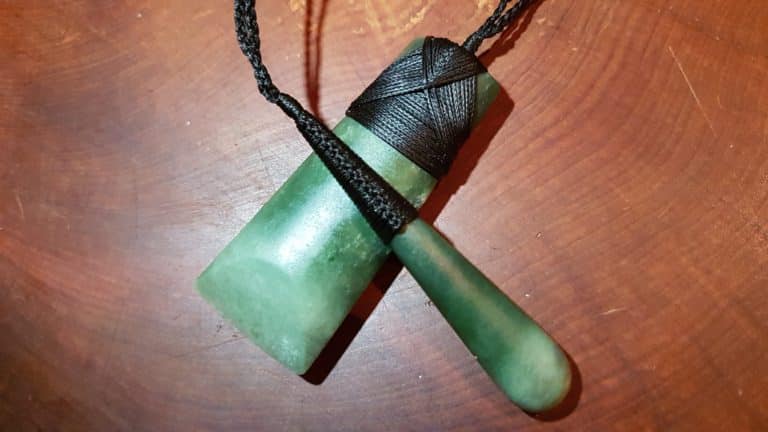
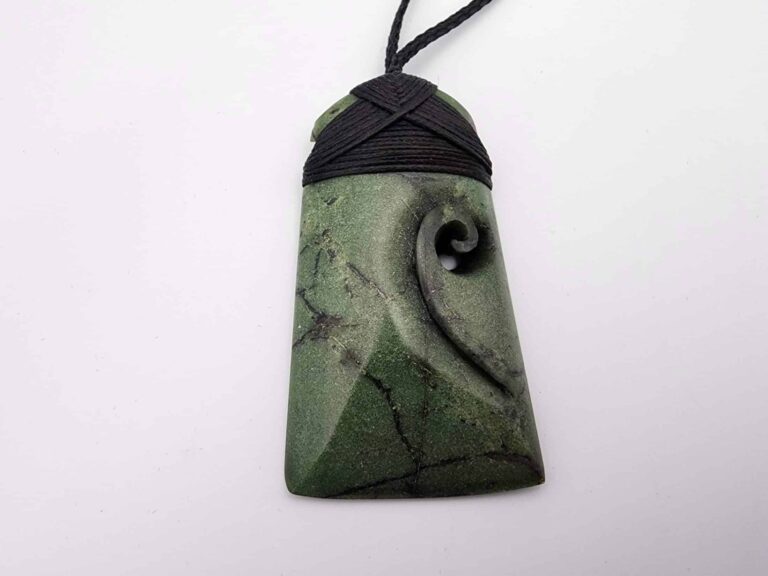
At the Inside Pounamu wānanga at Otago University, I had the chance to take part in a scientific and cultural exploration of how heat affects pounamu. I began with a single slab of South Westland pounamu and cut it in half. One half was left in its natural state, while the other was carefully heat-treated. My aim was simple: to see how the colour and carving properties changed, and to understand what that might reveal about the stone itself.

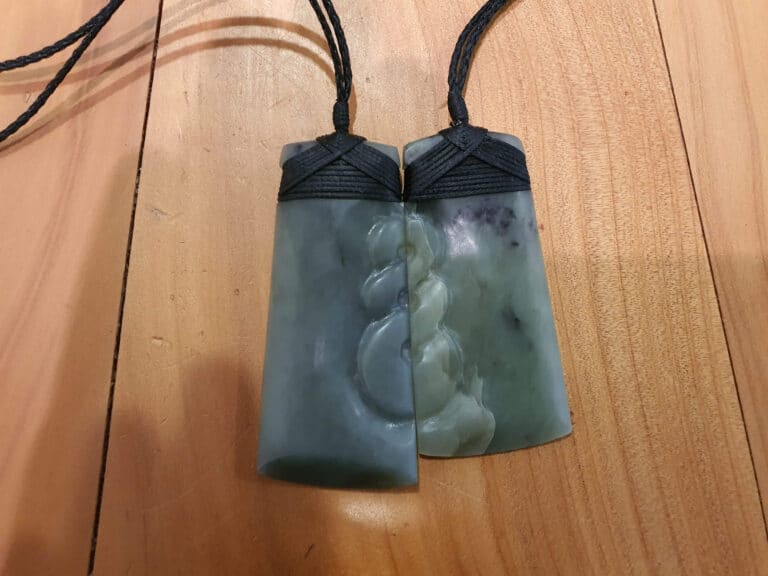
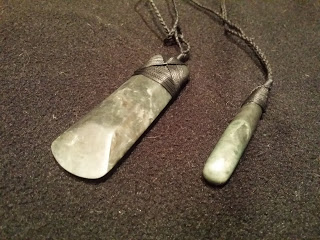
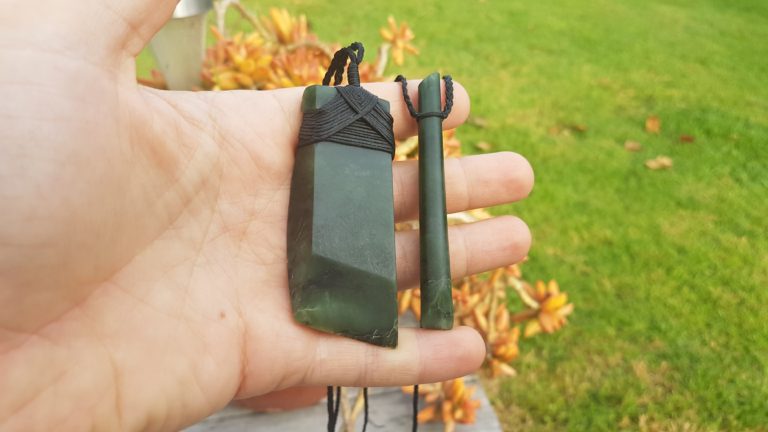
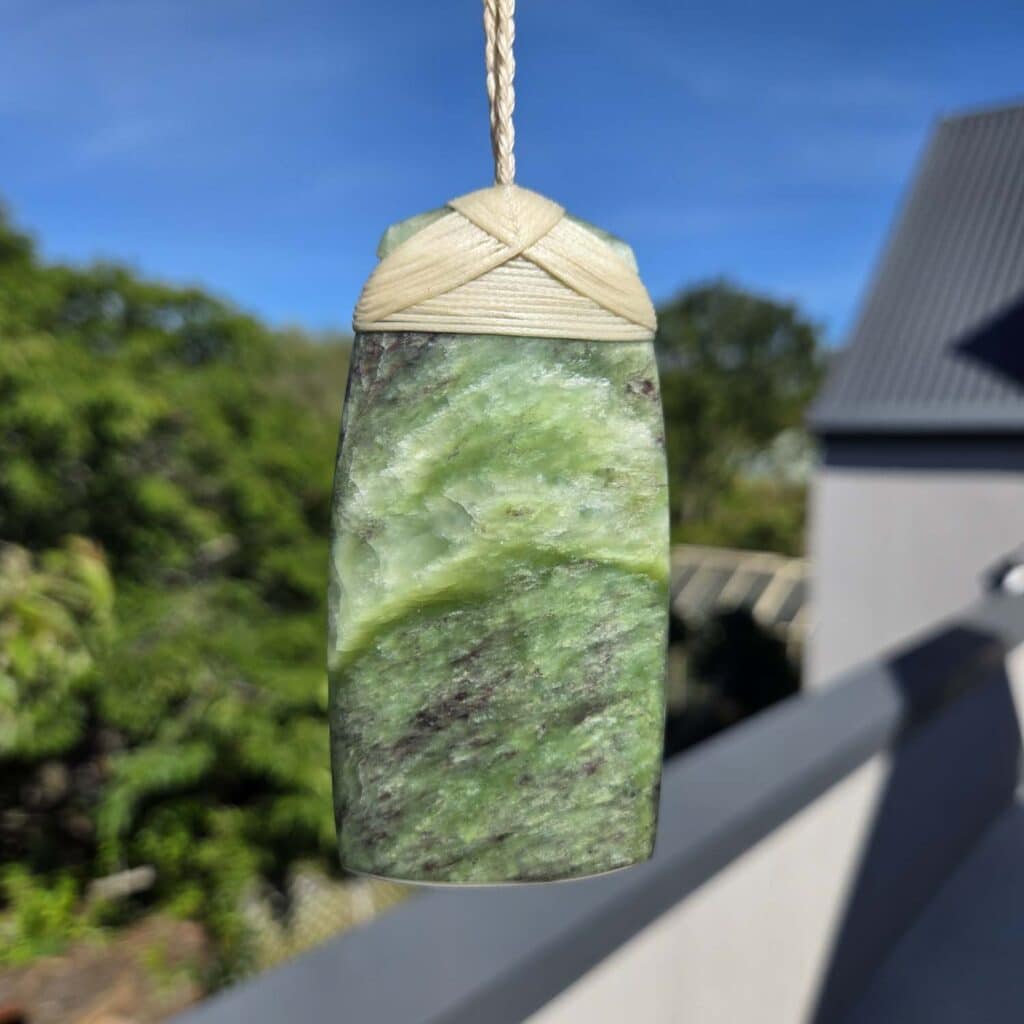
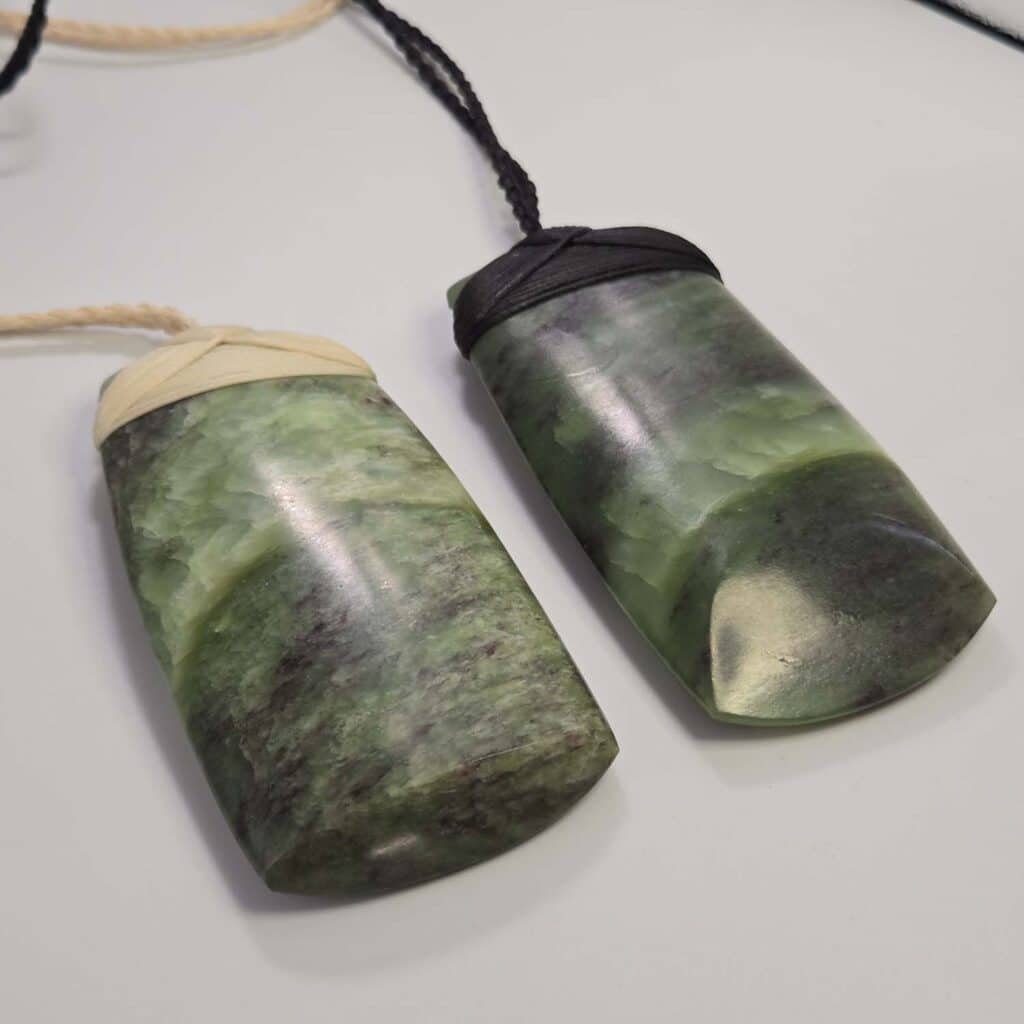
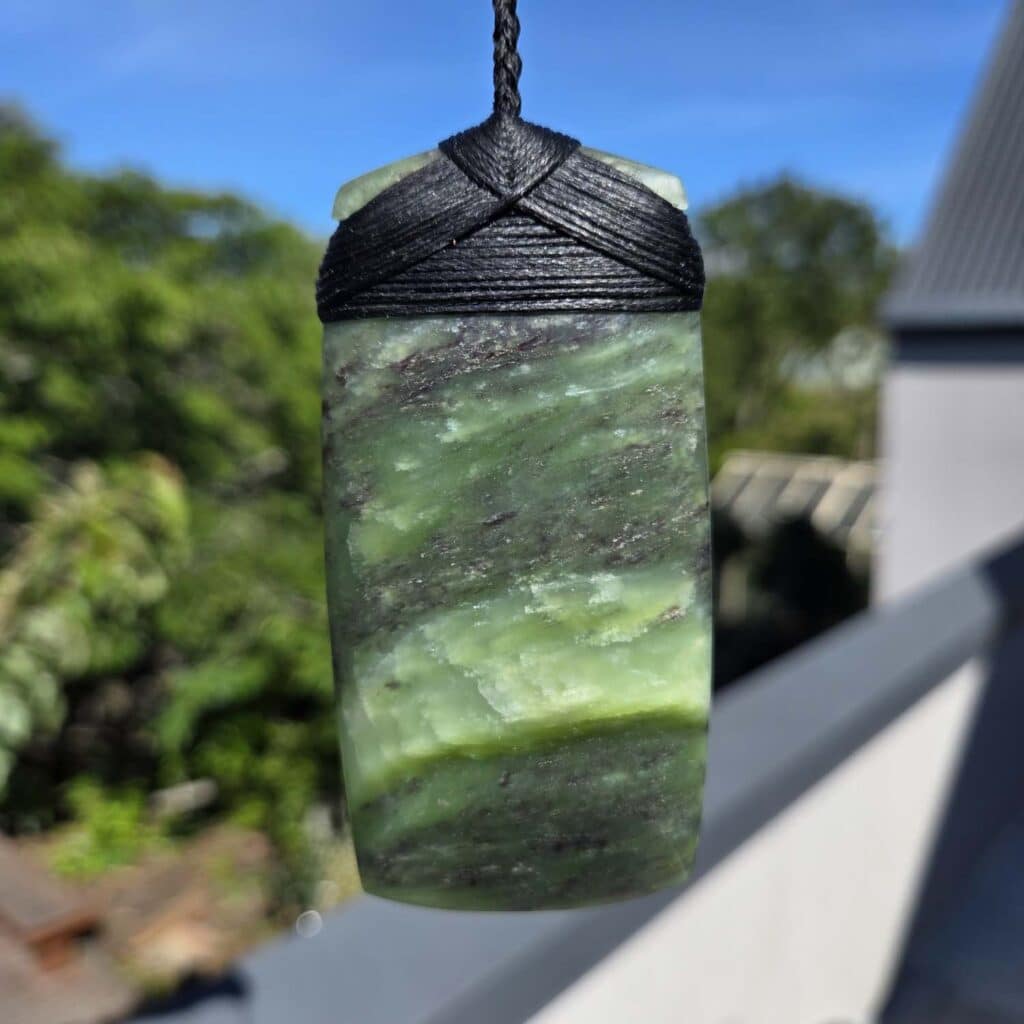
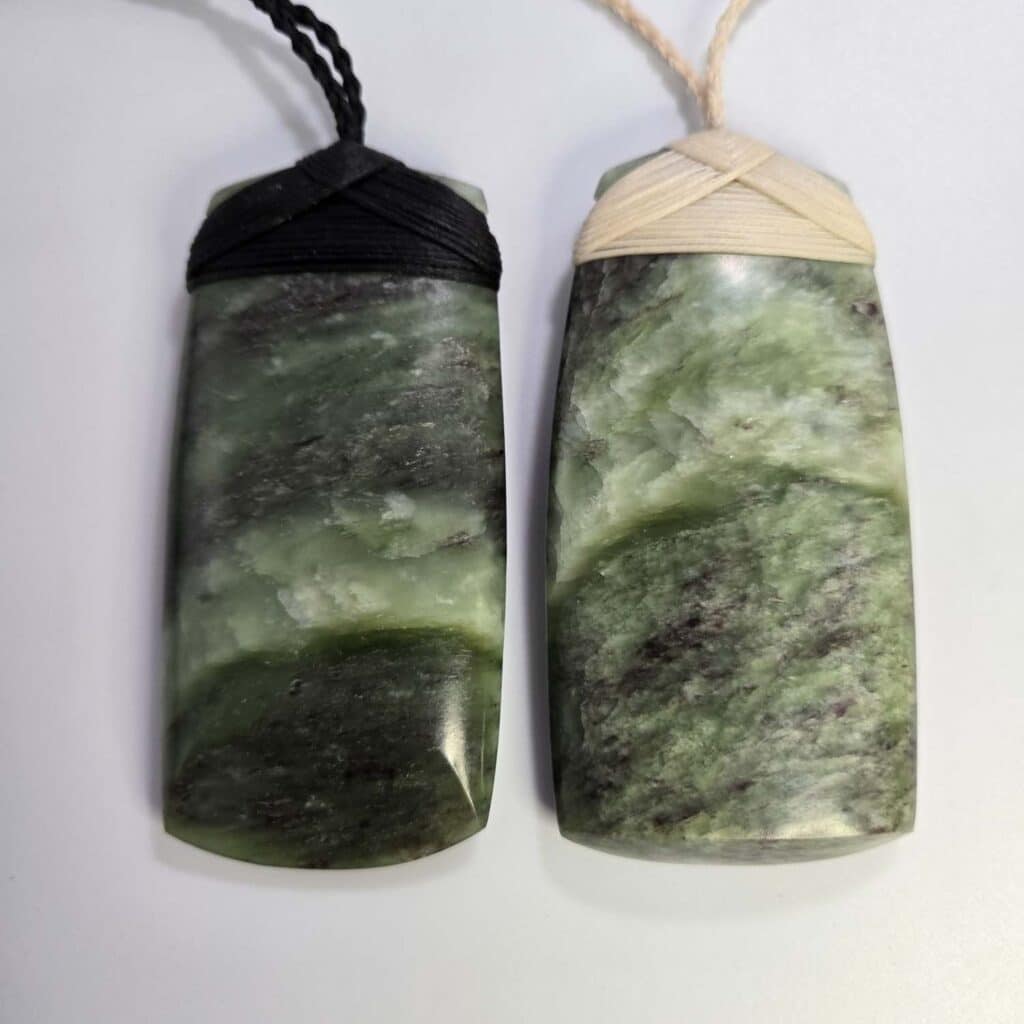
The piece I chose had always been slightly crumbly to carve. It was strong, but small fractures could appear around sharp edges. I wondered if heat might strengthen it, or perhaps change the way it behaved under the tools. After heat treatment, the differences were clear. The treated half, now finished with a white lashing, became a paler shade and lost some of its natural translucency. The untreated piece, with its black lashing, kept its deeper colour and inner glow. The heat hadn’t improved its strength; if anything, it made the stone more brittle. But it transformed its appearance in a way that was striking – showing how fire and heat can reveal a new side to the stone.
This experiment connects to a much older practice. Across Aotearoa, archaeologists have found examples of pounamu that show signs of having been heat-treated centuries ago. Some believe our tīpuna used heat to enhance the stone’s colour, making it lighter or more even in tone. Others think it was a way of working with difficult stone, perhaps to soften or dry it before shaping. The reasons aren’t fully known, but what’s clear is that Māori were already experimenting with how to work with pounamu in ways that balanced art, science, and intuition.
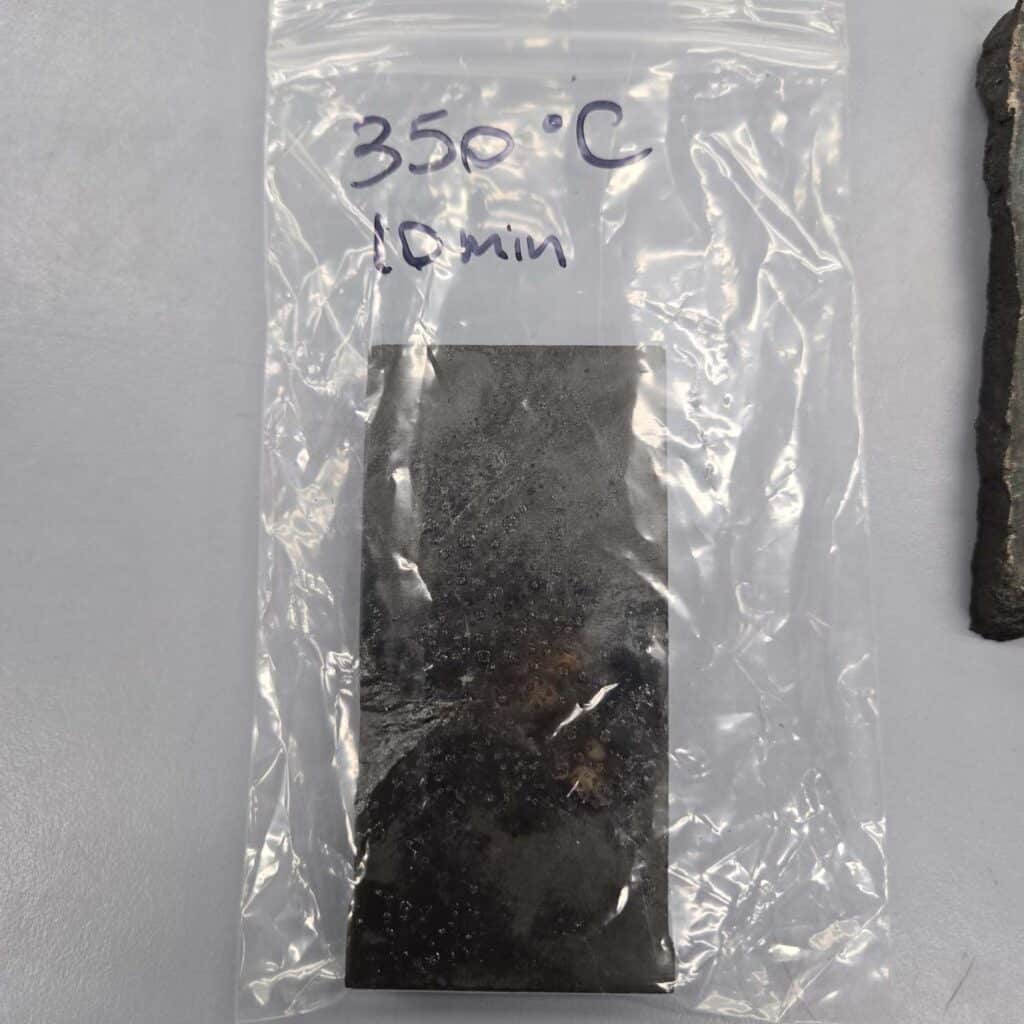
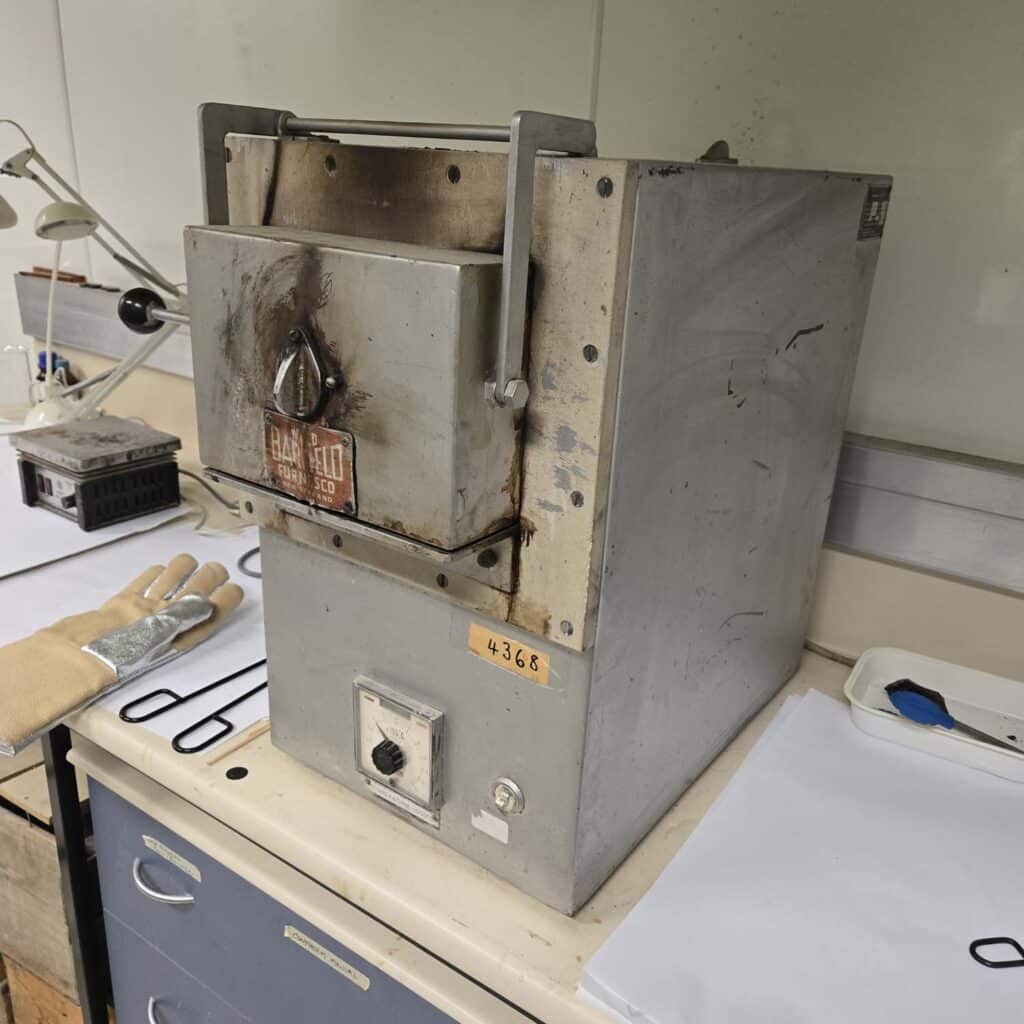
Standing in that workshop at Otago, watching the colours shift as the stone was exposed to heat, I could sense that same curiosity that must have driven those early makers. Pounamu holds stories of transformation — shaped by rivers, by pressure, by time — and here was another layer of transformation through human hands. It was exciting to see and feel how heat could alter something so ancient, while reminding me that every taonga begins as a question: how can we bring out the best in this stone?
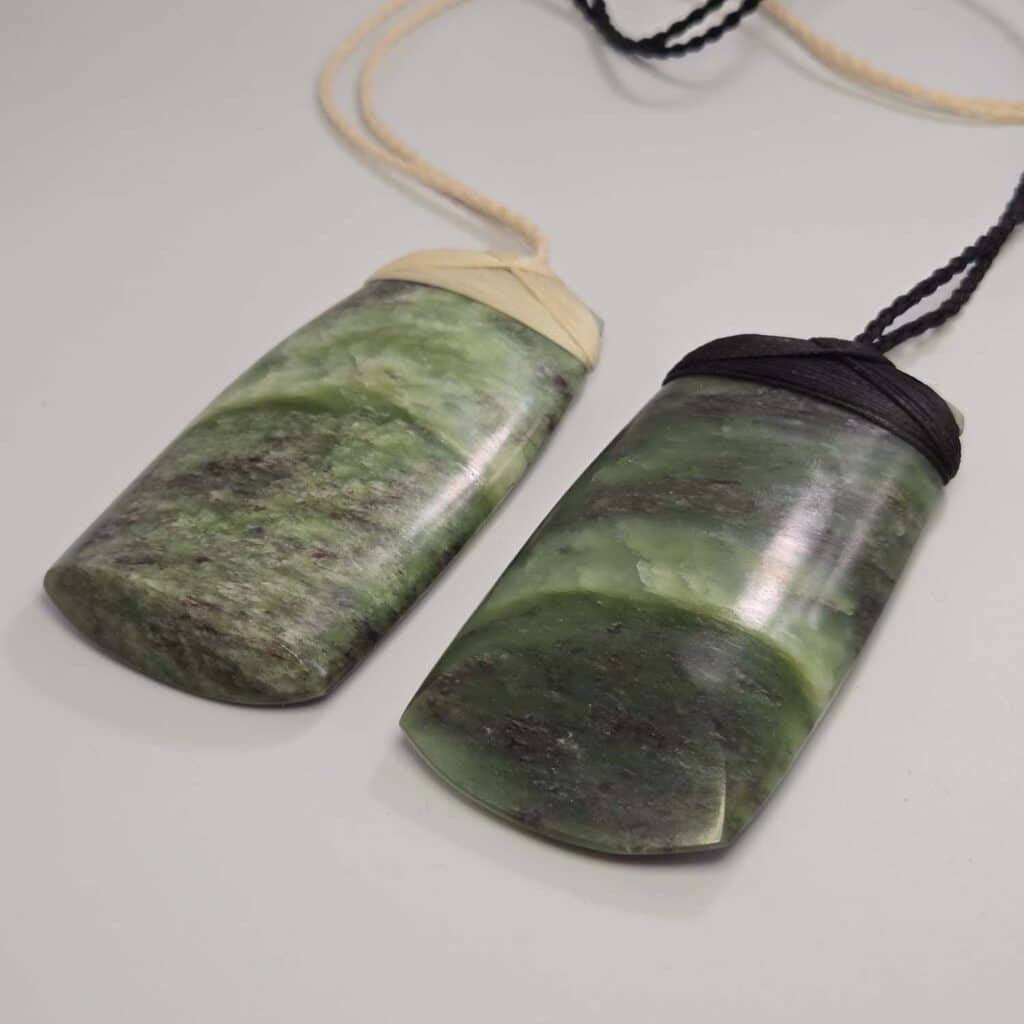
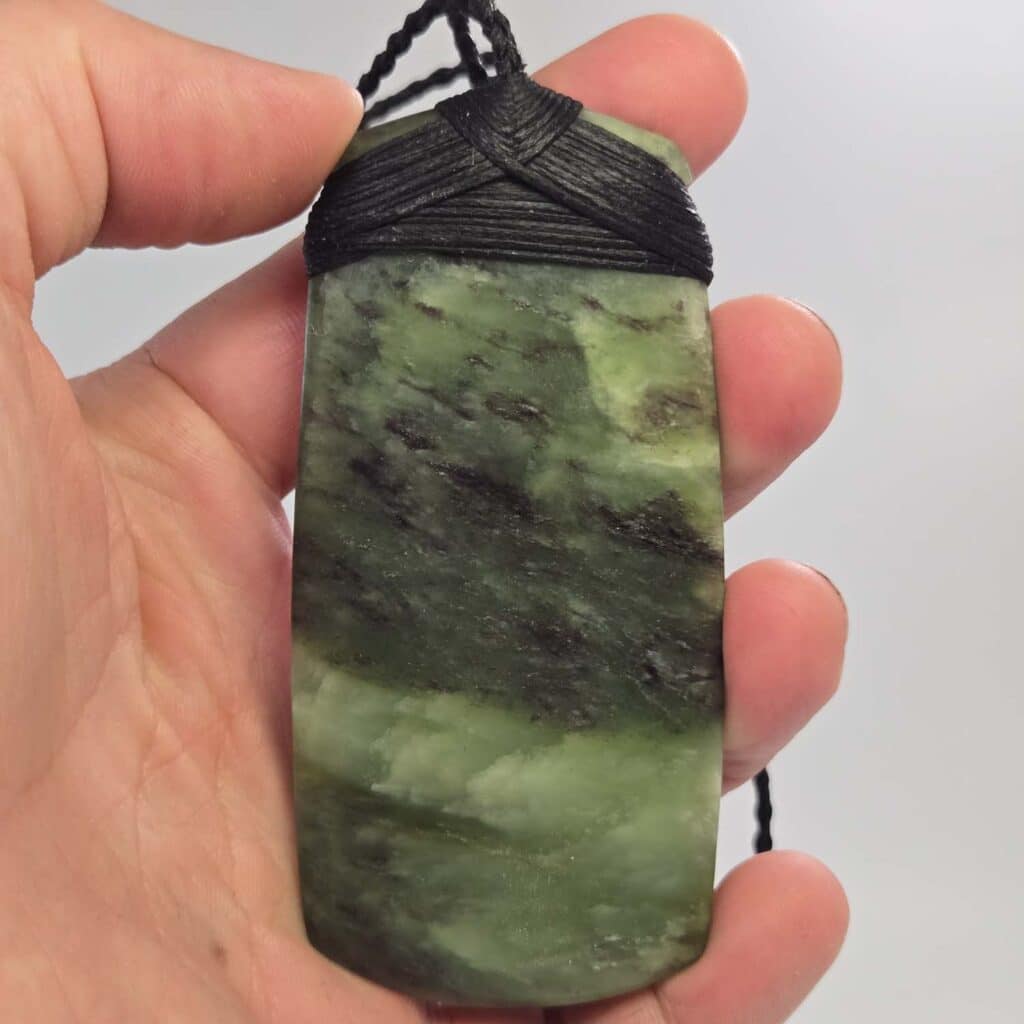
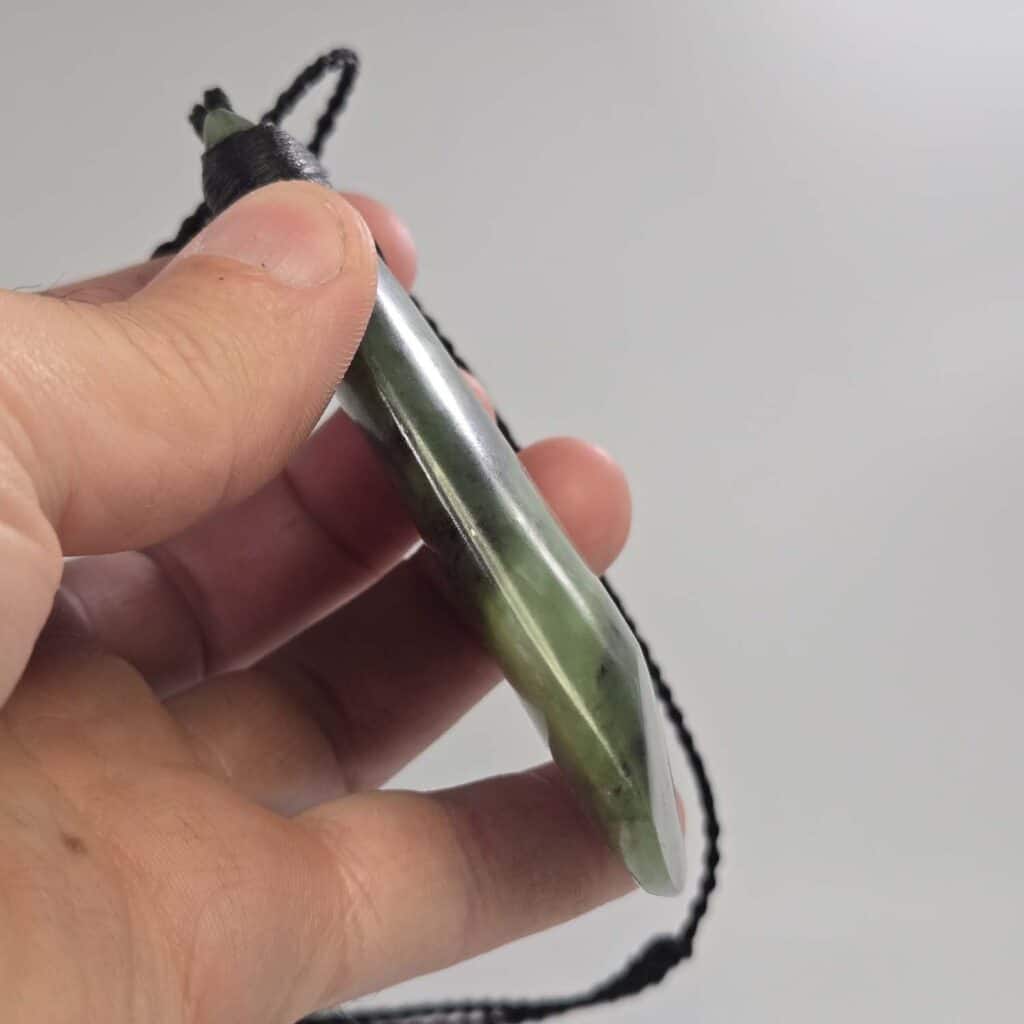
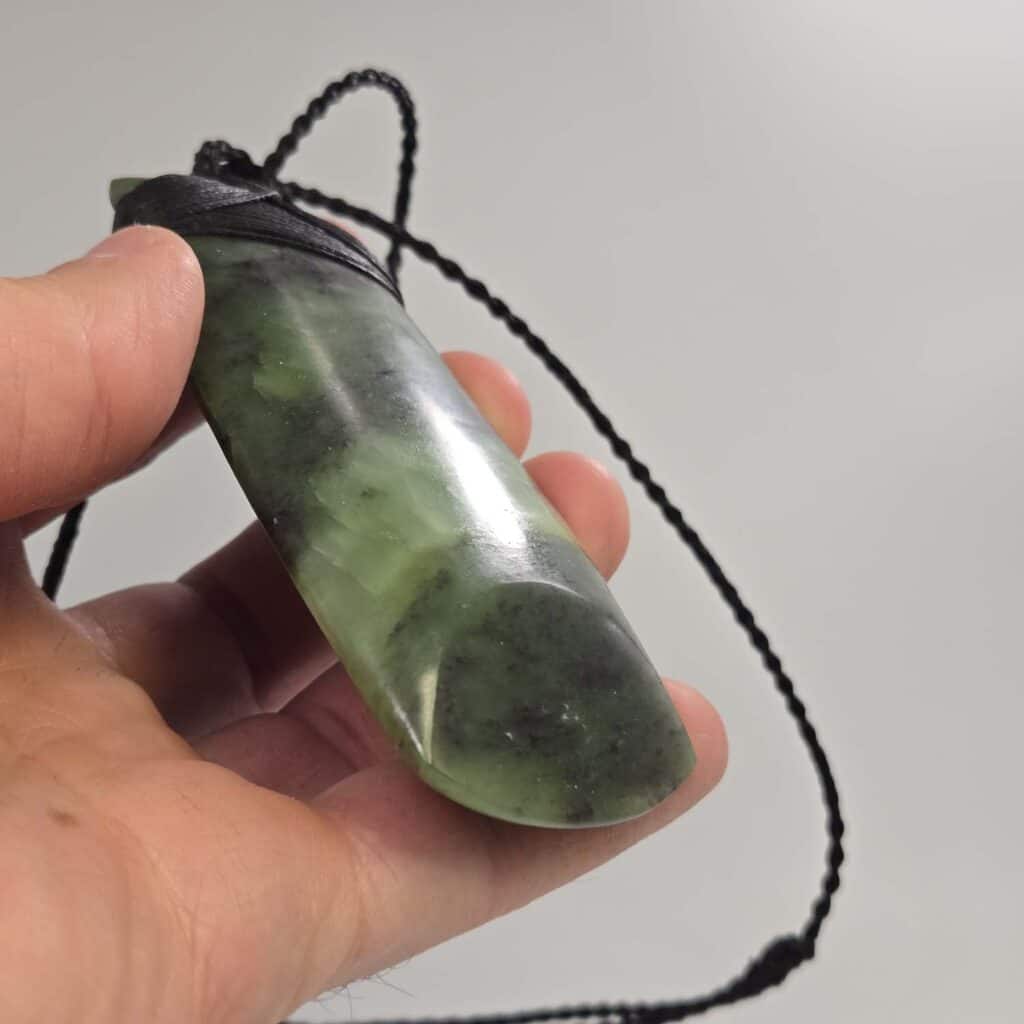
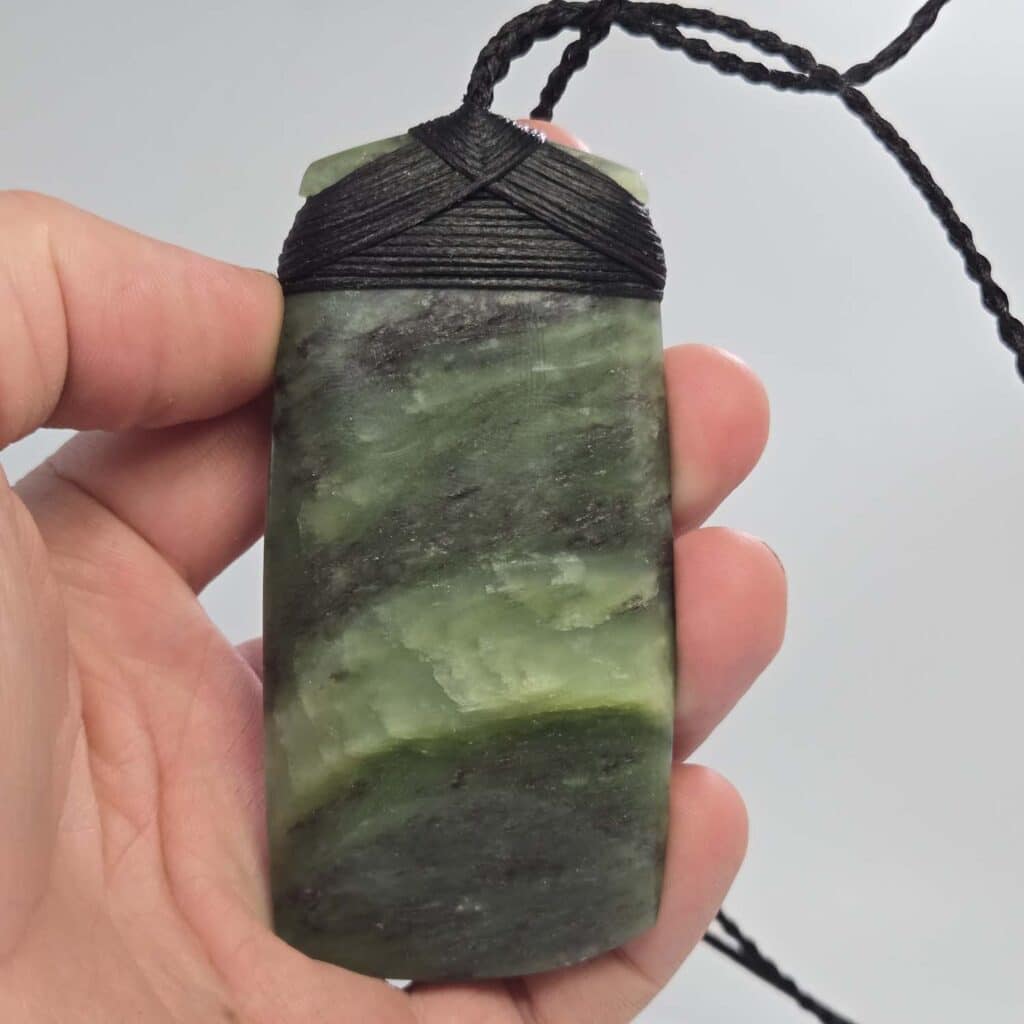
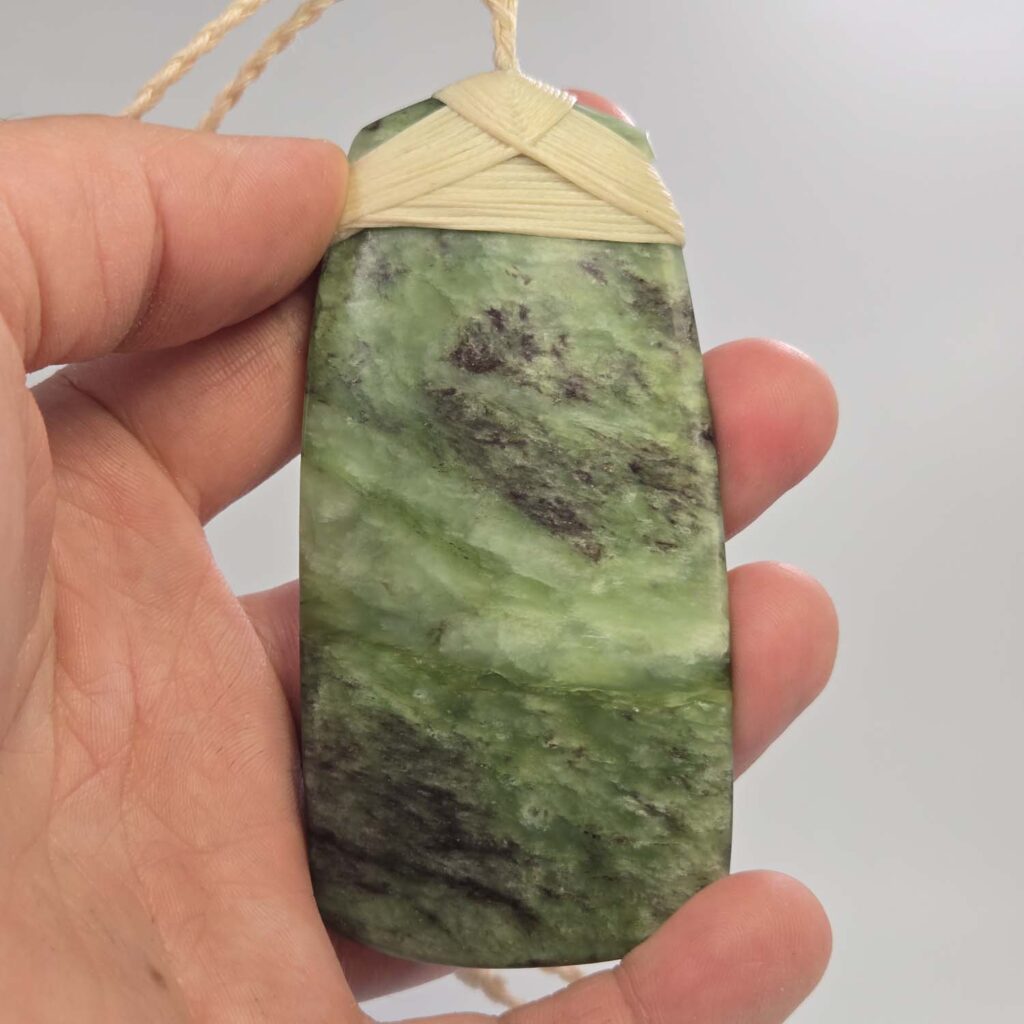
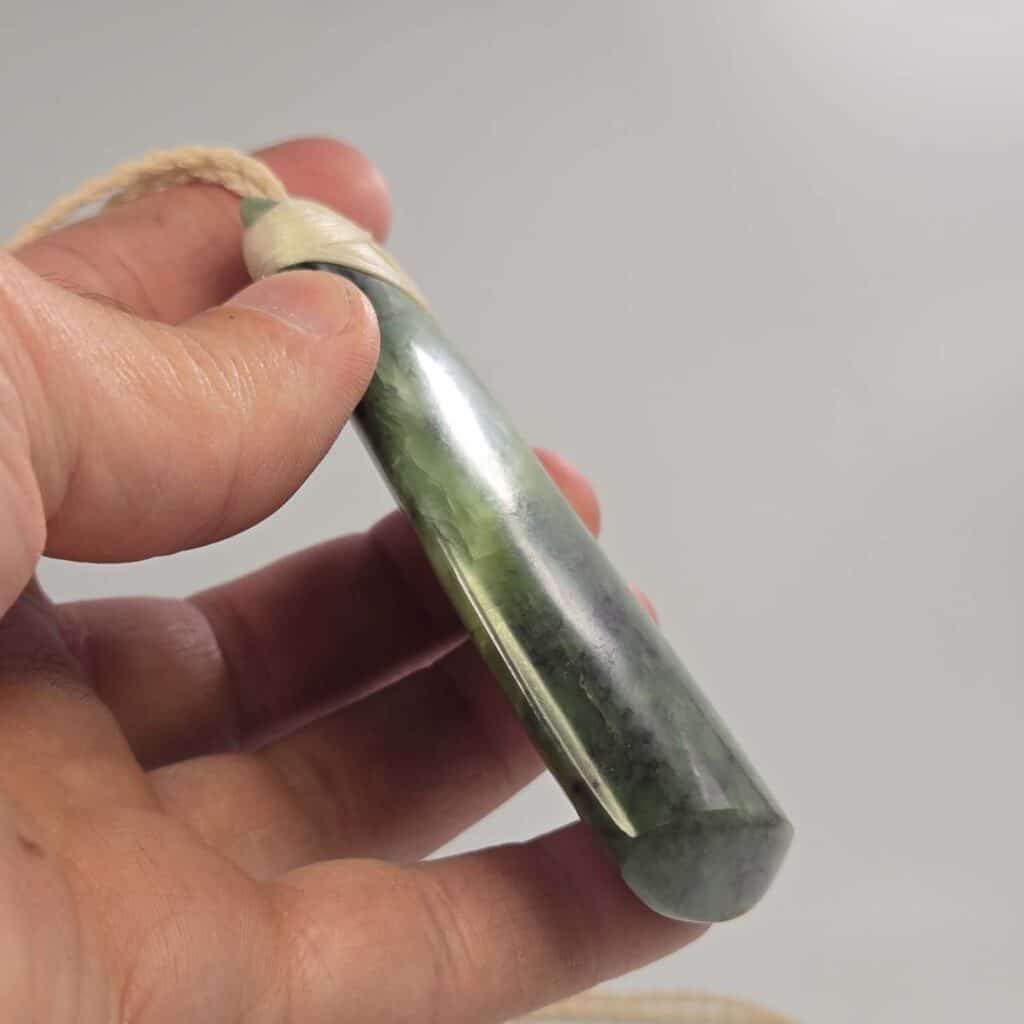
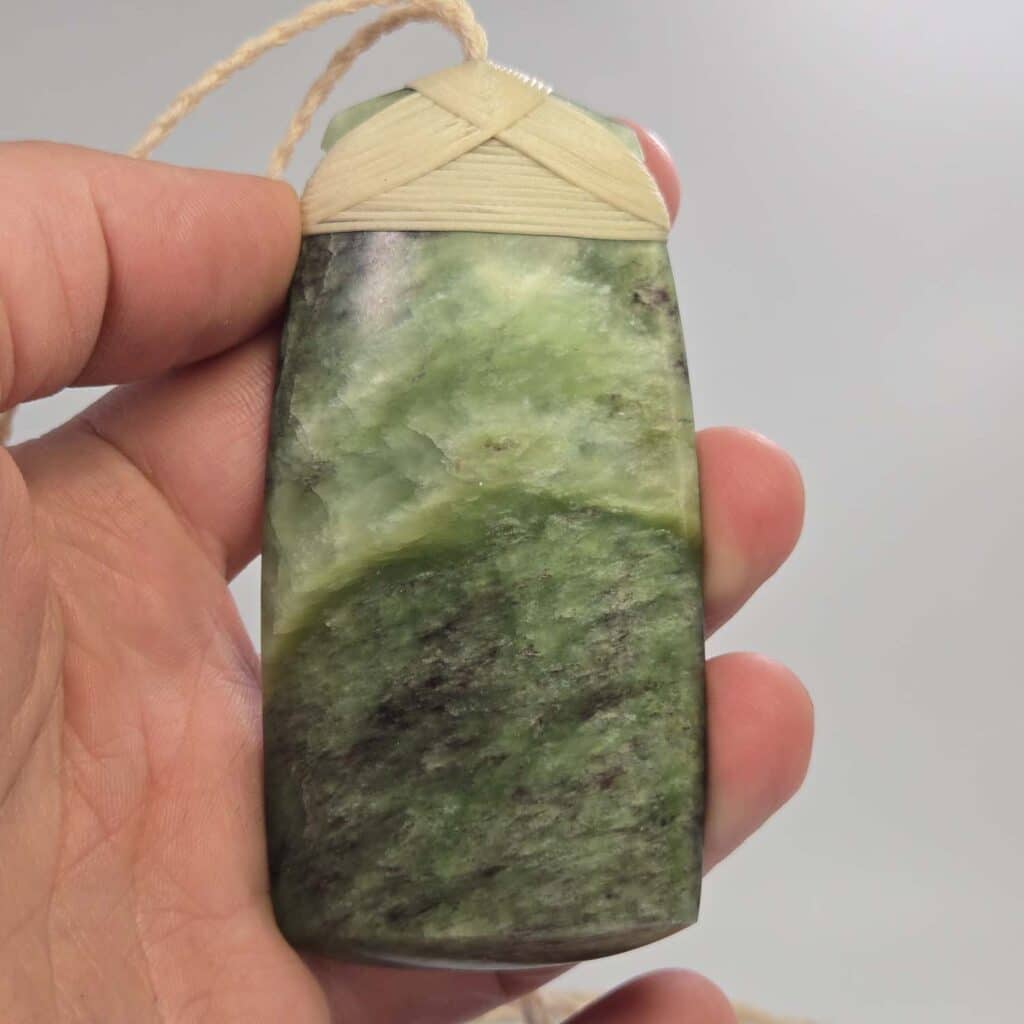
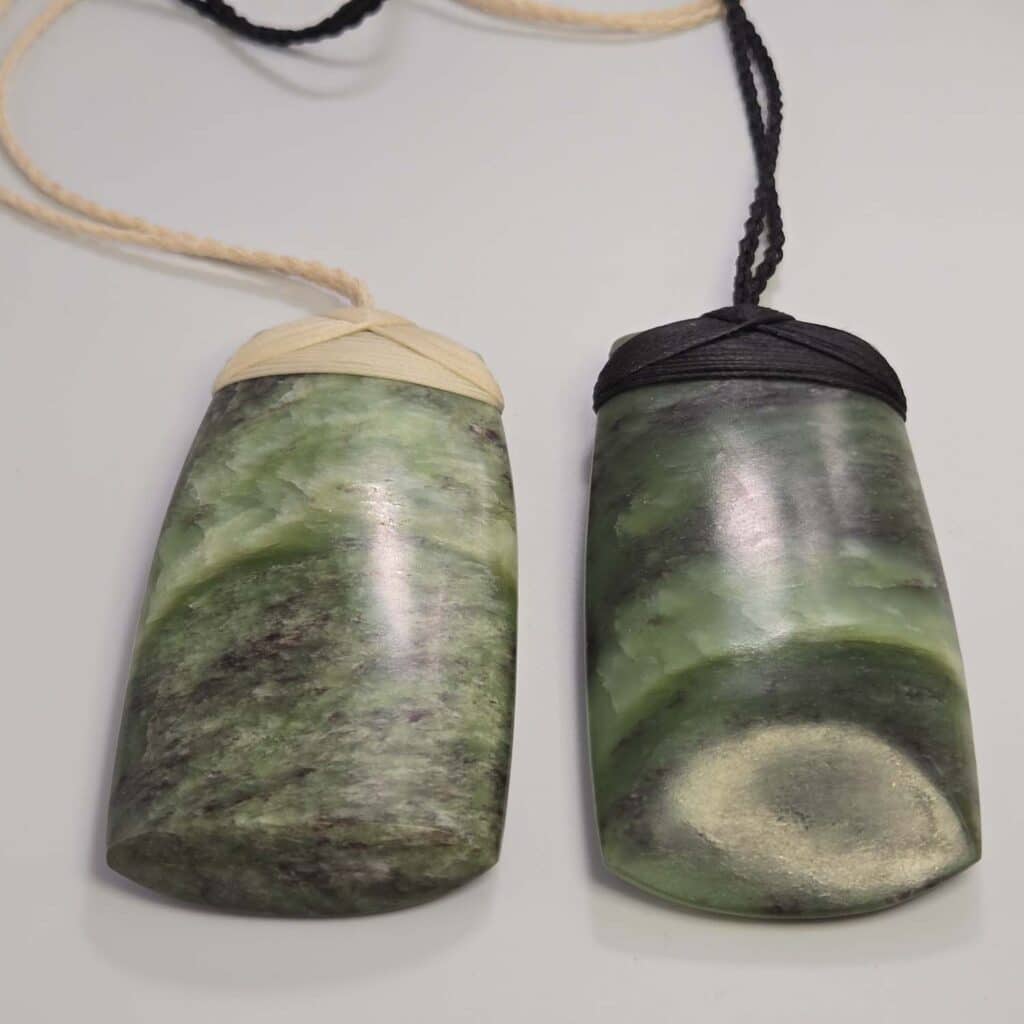
For me, these two pieces now form a set — one untouched, one changed. They sit side by side, showing the living science within pounamu. One holds the cool depth of the awa; the other, the quiet memory of fire. Together, they symbolise both the mystery of what has come before and the ongoing exploration of how we understand and honour this precious stone.